
The Science Behind Our Love of Games
Games speak to deep-seated human needs — challenge, accomplishment, social bonds, and the sheer pleasure of play. Explore the psychological forces that keep us coming back.
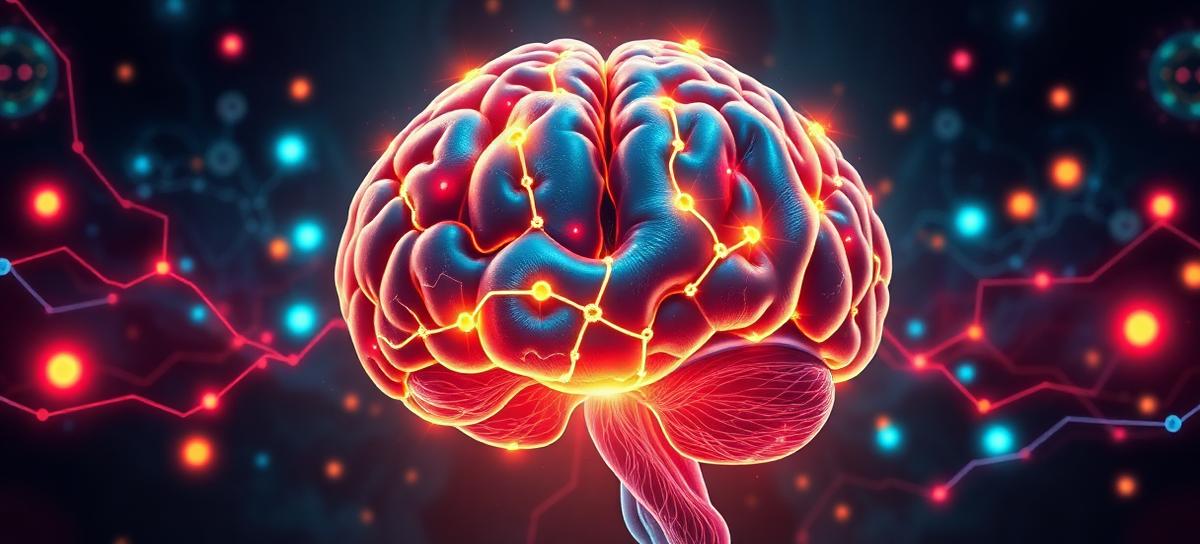
What Drives Humans to Play
Play is far from trivial — it is a deeply ingrained human behaviour present across every culture and throughout recorded history. Psychologists point to several fundamental motivations underpinning our attraction to games.
Entering the Flow State
Psychologist Mihaly Csikszentmihalyi coined "flow" to describe a state of total immersion where skill and challenge reach perfect equilibrium. Games are expert flow engines, carefully tuning difficulty to hold players in that sweet spot between frustration and boredom.
Dopamine and the Reward System
Variable reward schedules — where outcomes remain unpredictable — stimulate dopamine pathways more powerfully than predictable payoffs. This is precisely why chance-based games create such absorbing experiences. Every spin, deal, or draw holds possibility, and that possibility alone is inherently rewarding.
Bonds Through Shared Play
Many games, social casino titles included, satisfy our fundamental need to belong. Shared experiences, friendly competition, gift-exchange mechanics, and leaderboard rivalries forge genuine social connections between players who may never meet face to face.
The Drive for Mastery
Games supply clear objectives, instant feedback, and quantifiable progress — all ingredients that feed our psychological need for competence. Even in chance-driven games, understanding mechanics and grasping probabilities delivers a gratifying sense of expertise.
Rest and Mental Escape
Gaming provides a cognitive break. By channelling attention into an absorbing activity, games offer a reprieve from everyday stressors. This explains why so many people cite gaming as their go-to method of relaxation.
Sustaining a Healthy Relationship with Play
Recognising these psychological drivers helps players keep gaming in perspective. When you understand why games feel so compelling, you can engage with them deliberately rather than reflexively — deepening enjoyment while guarding against excess.
Frequently Asked Questions
For a small minority, gaming can become problematic. The vast majority of players enjoy games in a healthy way. If you feel gaming is negatively impacting your daily life, organisations like GamCare offer confidential guidance.
Games trigger dopamine release through unpredictable outcomes, milestone achievements, and social feedback — all powerful motivators rooted in human psychology.